As your body adjusts during your first trimester of pregnancy, you may have to change or limit your daily activities. You’ll need more rest. You may also need to use the energy you have more wisely.
Your changing body
Almost every part of your body is affected as you adapt to pregnancy. The uterus and cervix will start to soften right away. You may not look very pregnant during the first 3 months. But you are likely to have some common signs of early pregnancy:
-
Nausea
-
Fatigue
-
Frequent urination
-
Mood swings
-
Bloating of the belly
-
Constipation
-
Heartburn
-
Missed or light periods (first trimester bleeding)
-
Nipple or breast tenderness and breast swelling
It’s not too late to start good habits
What matters most is protecting your baby from this moment on. If you smoke, drink alcohol, or use drugs, now is the time to stop. If you need help, talk with your healthcare provider:
-
Smoking increases the risk of stillbirth or having a low-birth-weight baby. If you smoke, quit now.
-
Alcohol and drugs have been linked with miscarriage, birth defects, intellectual disability, and low birth weight. Don't drink alcohol or take drugs.
Tips to relieve nausea
During pregnancy, nausea can happen at any time of the day, but it may be worse in the morning. To help prevent nausea:
-
Eat small, light meals at frequent intervals.
-
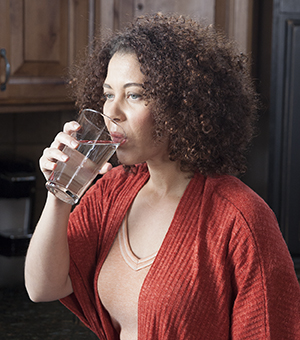
Drink fluids often.
-
Get up slowly. Eat a few unsalted crackers before you get out of bed.
-
Avoid smells that bother you.
-
Avoid spicy and fatty foods.
-
Eat an ice pop in your favorite flavor.
-
Get plenty of rest.
-
Ask your healthcare provider about taking ginger or vitamin B6 for nausea and vomiting.
-
Talk with your healthcare provider if you take vitamins that upset your stomach.
Work concerns
The end of the first trimester is a good time to discuss working during pregnancy with your employer. Follow your healthcare provider’s advice if your job needs you to stand for a long time, work with hazardous tools, or even sit at a desk all day. Your workspace, workload, or scheduled hours may need to be adjusted. Perhaps you can change body postures more often or take an extra break.
Advice for travel
Talk to your healthcare provider first, but the second trimester may be the best time for any travel. You may be advised to avoid certain trips while you’re pregnant. Food and water can be concerns in developing countries. Travel by car is a good choice, as you can stop, get out, and stretch. Bring snacks and water along. Fasten the lap belt below your belly, low over your hips. Also be sure to wear the shoulder harness.
Intimacy
Unless your healthcare provider tells you to, there's no reason to stop having sex while you’re pregnant. You or your partner may notice changes in desire. Desire may be less in the first trimester due to nausea and fatigue. In the second trimester, sex may be very enjoyable. The third trimester can be a challenge comfort-wise. Try different positions and see what’s best for you both.
How daily issues affect your health
Many things in your daily life impact your health. This can include transportation, money problems, housing, access to food, and child care. If you can’t get to medical appointments, you may not receive the care you need. When money is tight, it may be difficult to pay for medicines. And living far from a grocery store can make it hard to buy healthy food.
If you have concerns in any of these or other areas, talk with your healthcare team. They may know of local resources to assist you. Or they may have a staff person who can help.
Online Medical Reviewer: Donna Freeborn PhD CNM FNP
Online Medical Reviewer: Heather M Trevino BSN RNC
Online Medical Reviewer: Irina Burd MD PhD
Date Last Reviewed: 09/01/2025
© 2000-2026 The StayWell Company, LLC. All rights reserved. This information is not intended as a substitute for professional medical care. Always follow your healthcare professional's instructions.